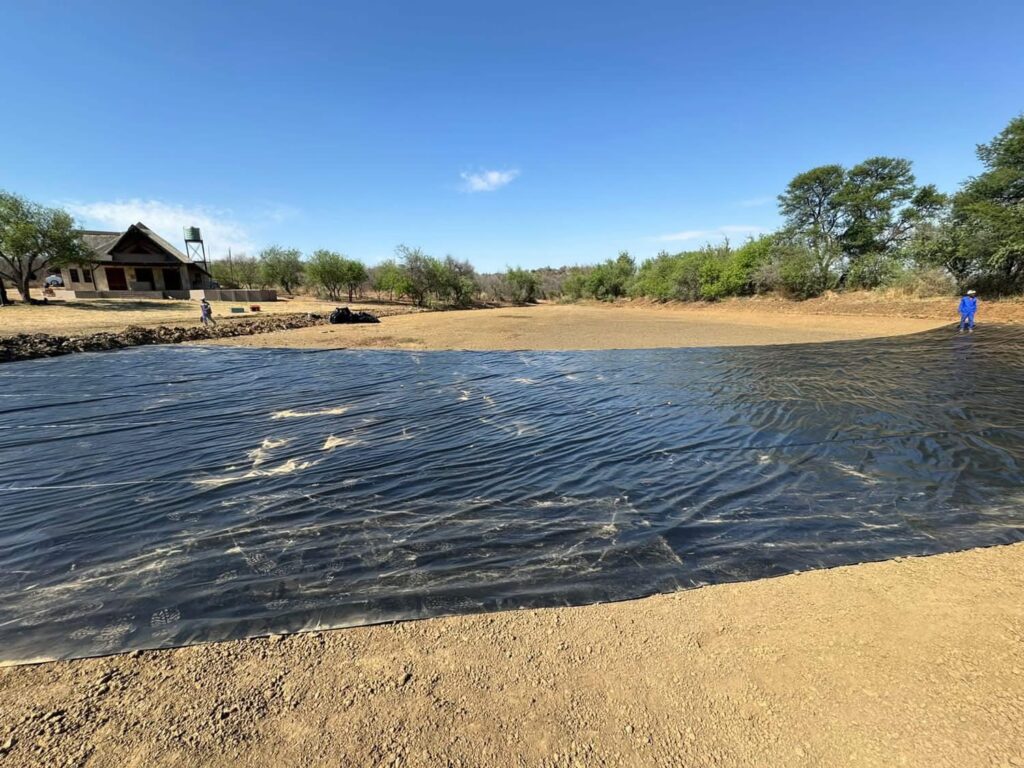
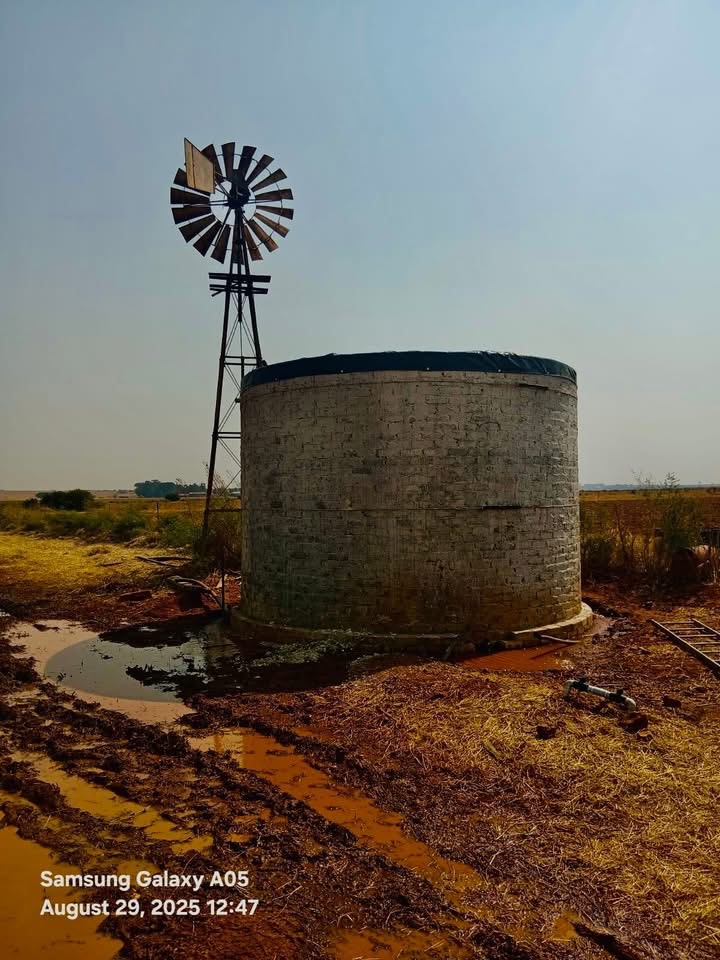
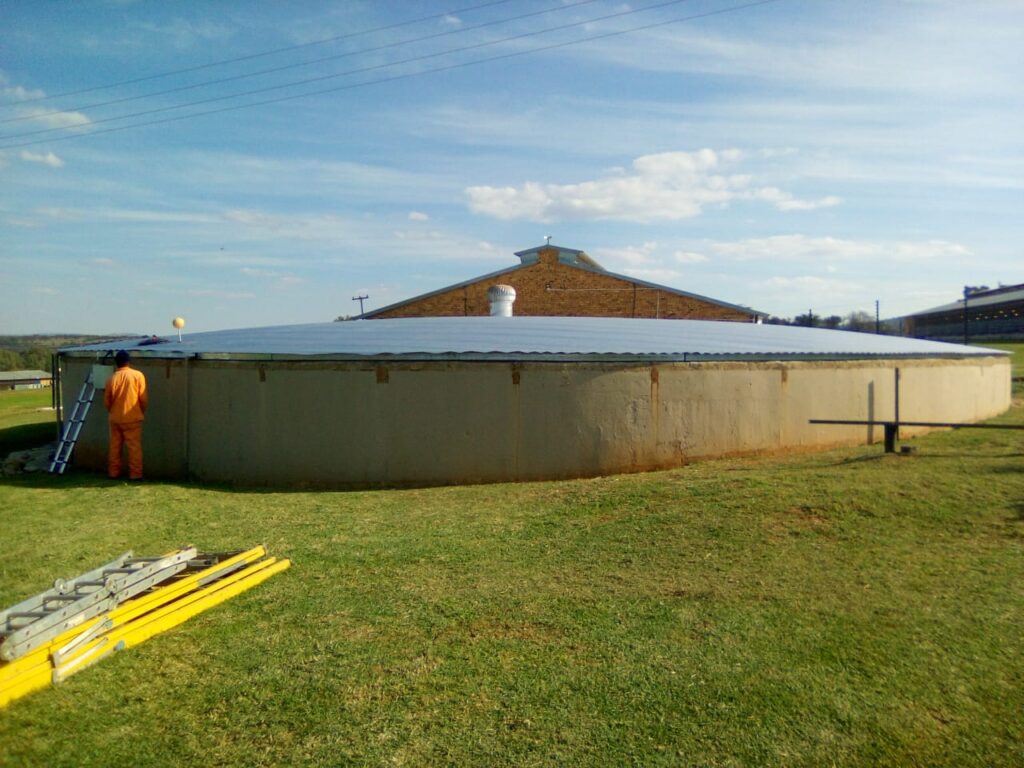
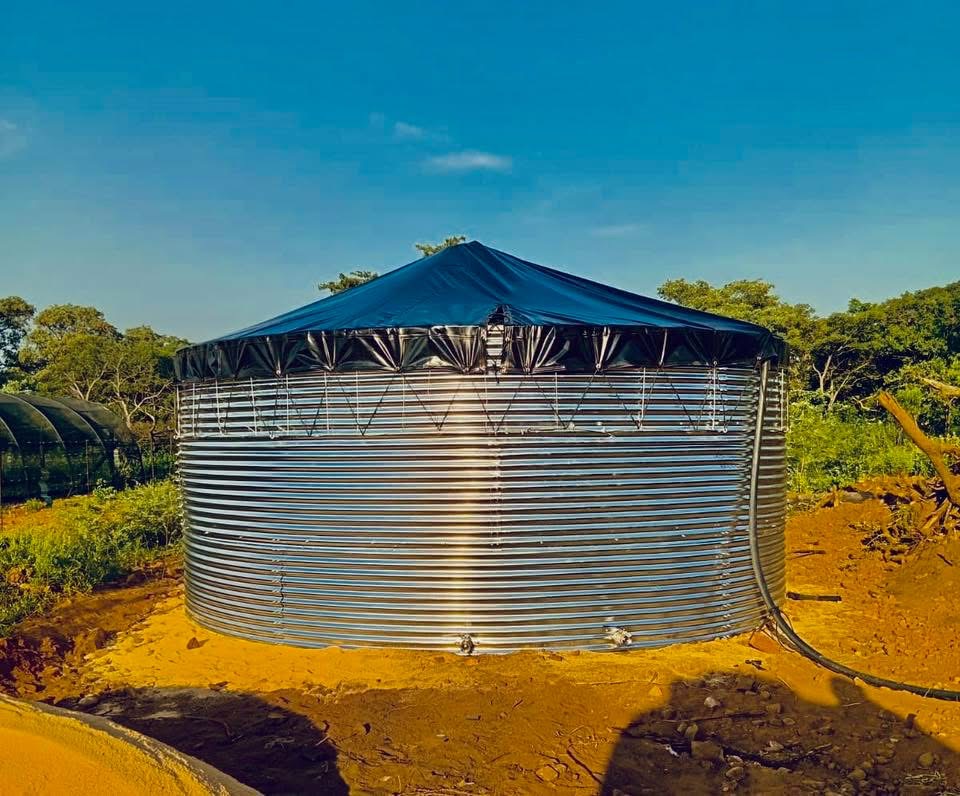
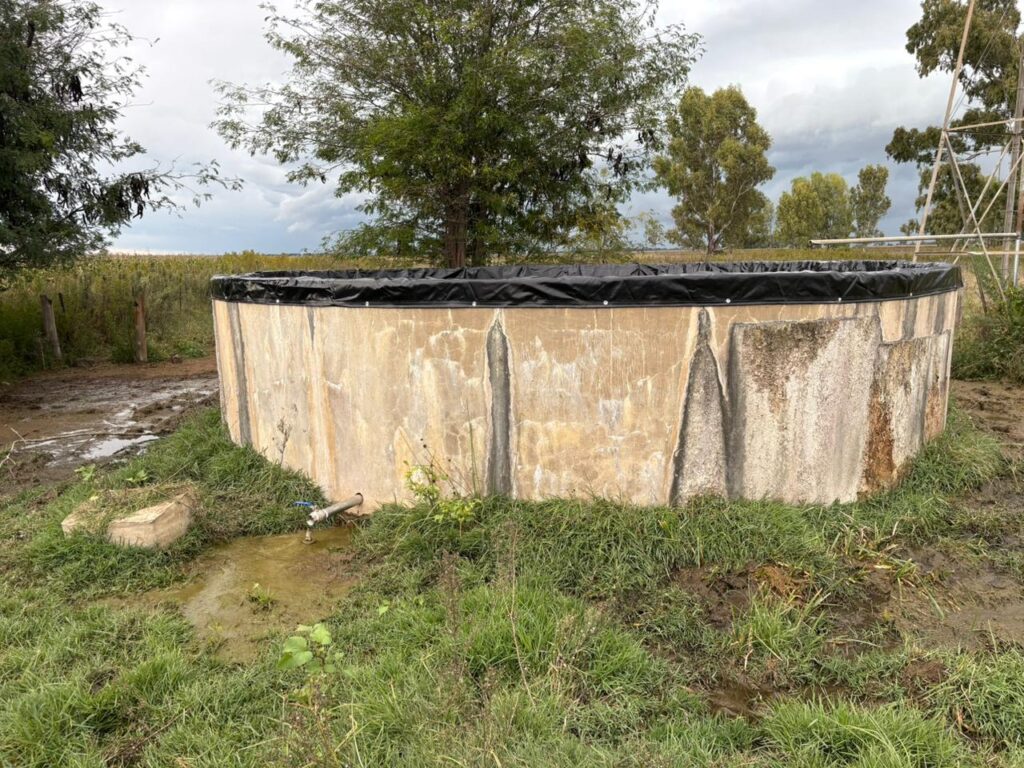
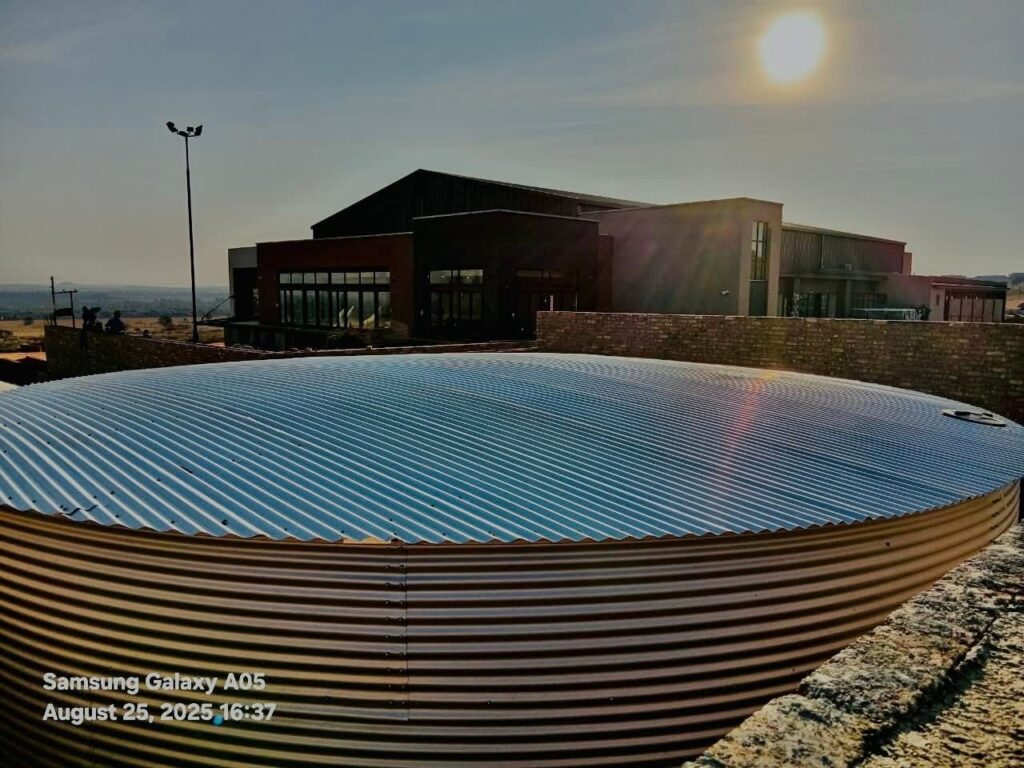
Some of our completed
Projects
Grain dams are an effective and sustainable solution for managing water, preventing erosion, and improving the long-term health of agricultural land. Designed to slow the flow of runoff water in drainage lines and gullies, they help reduce soil loss while promoting groundwater recharge and healthier landscapes. For farmers and landowners, grain dams offer both environmental and economic benefits, making them an important investment in responsible land management.
One of the primary advantages of grain dams is their ability to control erosion. During heavy rainfall, fast-moving water can wash away valuable topsoil, reducing soil fertility and damaging crops. Grain dams slow the movement of water, allowing sediment to settle rather than being carried downstream. This helps preserve nutrient-rich soil where it is needed most, supporting healthier crops and reducing the need for costly soil restoration.
Grain dams also improve water management by encouraging infiltration into the ground. Instead of allowing rainwater to flow away quickly, these structures give water more time to soak into the soil. Increased groundwater recharge benefits surrounding vegetation, supports crop growth during drier periods, and contributes to more resilient farming systems.
Another key benefit is improved land stability. By reducing the force of flowing water, grain dams help prevent gullies from expanding and protect infrastructure such as roads, fences, and farm access routes. They also reduce the amount of sediment entering rivers, streams, and dams, helping to maintain water quality and protect downstream ecosystems.
From a sustainability perspective, grain dams are a practical conservation measure that supports responsible farming practices. They work alongside other land management strategies, such as contour farming and vegetation management, to create healthier, more productive agricultural landscapes. With proper design, installation, and maintenance, grain dams can provide long-lasting performance while requiring relatively low ongoing maintenance.
For farmers looking to improve water retention, protect valuable soil, and enhance the resilience of their land, grain dams are a proven solution. Whether used on small farms or large agricultural operations, they contribute to improved productivity, reduced environmental impact, and better management of natural resources. Investing in grain dams today helps safeguard farmland for future generations while supporting sustainable agriculture and long-term profitability.