Pool Cover: Which Is Best for Your Pool?
Choosing the right swimming pool cover is an important decision for any pool owner. Whether you want to reduce water evaporation, keep your pool clean, retain heat or improve pool safety, understanding the difference between a standard swimming pool cover and a solid safety pool cover will help you make the right choice.
In South Africa, where warm weather and high evaporation rates can affect pool maintenance, investing in the right pool cover can help save water, reduce cleaning and protect your pool throughout the year.
What Is a Standard Swimming Pool Cover?
A standard swimming pool cover is commonly used to reduce water evaporation, retain heat and limit the amount of debris entering the pool. Depending on the type of cover, it can be designed for everyday use, seasonal protection or maintaining swimming water temperature.
Benefits of a Standard Pool Cover
- Reduces water evaporation: Helps minimise water loss, particularly during hot and windy weather.
- Retains heat: Solar bubble covers help keep swimming water warmer by reducing heat loss and absorbing solar energy.
- Keeps debris out: Helps prevent leaves, insects and other debris from entering the pool.
- Reduces maintenance: Can help reduce cleaning requirements and, depending on the cover, chemical consumption.
- Cost-effective solution: Generally more affordable to purchase than a professionally installed safety cover.
A standard pool cover is a practical choice for pool owners who want to improve water efficiency and reduce everyday maintenance.
However, most standard floating pool covers are not designed to support a person’s weight and should never be relied on to prevent accidental access to the pool.
What Is a Solid Safety Pool Cover?
A solid safety pool cover is a reinforced cover designed to span the swimming pool and attach securely to anchors installed around its perimeter. Unlike a standard floating cover, a properly engineered and installed safety cover is designed to provide a physical barrier over the pool.
Solid safety pool covers are particularly suitable for homeowners who prioritise pool security, reduced debris and protection when the pool is not in use.
Benefits of a Solid Safety Pool Cover
- Improved pool safety: A suitable, safety-rated cover can help prevent accidental entry into the water when correctly installed and maintained.
- Reduces water evaporation: Covers the water surface to help conserve water.
- Blocks sunlight: An opaque cover reduces sunlight reaching the pool water, helping limit algae growth.
- Keeps the pool cleaner: Helps prevent leaves, dust and other debris from entering the water.
- Reduces maintenance: Can help reduce cleaning and the need for certain pool treatments.
- Long-term investment: A quality cover with suitable materials and hardware can provide lasting protection when properly maintained.
A solid safety cover must be specifically designed for its intended safety function. Not every solid cover is load-bearing, and safety performance depends on the product’s design, installation, anchoring system and ongoing maintenance.
Solid covers also require appropriate drainage to prevent rainwater from accumulating on the surface.
Swimming Pool Cover vs Solid Safety Pool Cover: Key Differences
Understanding the differences between these two options makes it easier to choose the right solution for your home.
| Feature | Standard Swimming Pool Cover | Solid Safety Pool Cover |
|---|---|---|
| Main purpose | Heat retention and water conservation | Safety, protection and water conservation |
| Child and pet safety | Generally not designed for safety | Designed for safety when appropriately rated and installed |
| Heat retention | Solar covers are particularly effective | Varies by construction; generally less suited to solar heating |
| Water evaporation | Helps reduce evaporation | Helps reduce evaporation |
| Sunlight protection | Depends on cover type | Opaque construction blocks sunlight |
| Debris protection | Provides varying levels of protection | Provides strong surface protection when fitted correctly |
| Installation | Often floats on the water | Requires secure perimeter anchors and tensioning |
| Initial cost | Generally lower | Generally higher |
| Best suited for | Everyday pool maintenance and heating | Pool protection and a safety-focused solution |
Which Pool Cover Is Best for Your Home?
The best pool cover depends on your priorities, how frequently you use your swimming pool and the level of protection you require.
Choose a Standard Pool Cover If:
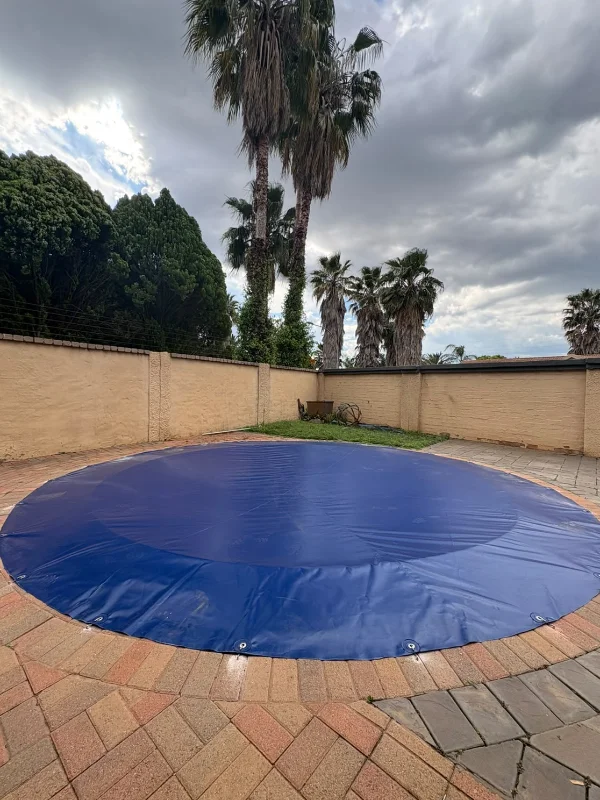
- You want to reduce water evaporation.
- You want to retain heat and extend your swimming season.
- You need an affordable everyday pool cover.
- You want to reduce debris and routine pool maintenance.
Choose a Solid Safety Pool Cover If:
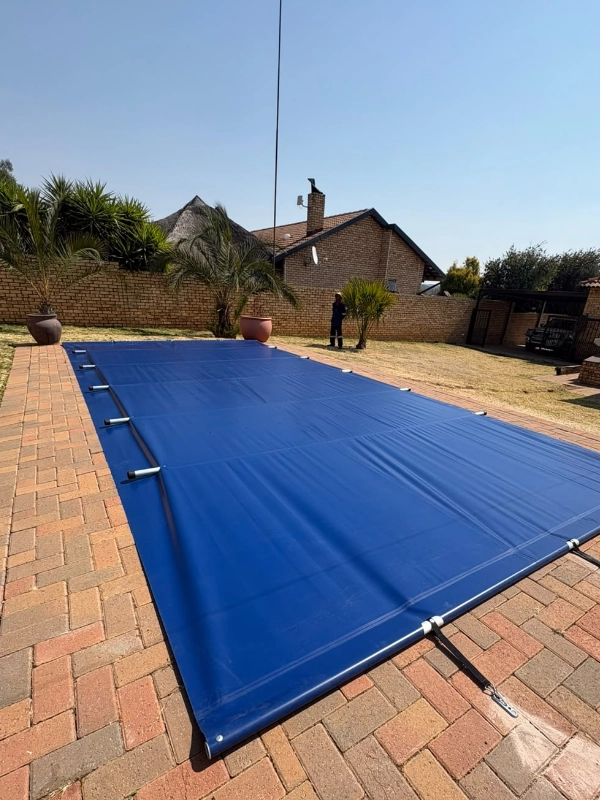
- You want an additional physical barrier over your swimming pool.
- You have children or pets and want to reduce the risk of accidental access.
- You want to limit sunlight and debris entering the pool.
- You want a secure cover for periods when the pool is not in use.
A safety cover should complement, not replace, a compliant pool barrier, suitable gates and active adult supervision.
Why Pool Covers Are Important in South Africa
Water conservation is an important consideration for South African homeowners. Heat, wind and direct sunlight can contribute to significant swimming pool water loss through evaporation.
A suitable pool cover helps reduce evaporation, which may lower the frequency of refilling your pool. Depending on the cover type and your pool’s conditions, it may also help reduce cleaning requirements and chemical use.
For homeowners looking for a more comprehensive solution, a solid safety pool cover combines surface protection with a safety-focused design, provided the selected product is correctly specified and installed.
Installation and Maintenance Matter
Regardless of the pool cover you choose, proper installation and maintenance are essential.
For solid safety pool covers, ensure that the cover is designed for the dimensions and shape of your pool, that the anchoring system is installed correctly, and that the cover remains properly tensioned. Inspect the fabric, straps, anchors and other hardware regularly for signs of wear or damage.
Never allow children or pets onto a pool cover unless the manufacturer explicitly permits the relevant use under its safety specifications. Remove standing water as required and follow the manufacturer’s instructions.
Frequently Asked Questions
Find the Right Swimming Pool Cover for Your Needs
Choosing between a standard swimming pool cover and a solid safety pool cover comes down to balancing water conservation, heat retention, maintenance and safety.
If you want a cost-effective solution for warmer water and everyday maintenance, a standard solar cover may be ideal. If you want a more secure, safety-focused solution for periods when your pool is not in use, a properly designed solid safety pool cover may be the better investment.
Contact our team to discuss your swimming pool cover requirements and find a solution suited to your pool, property and budget.